


Combining solar energy with high-quality roofing is an outstanding technological achievement that offers many advantages over traditional asphalt shingles. Here are some of the benefits of GAF Solar shingles:
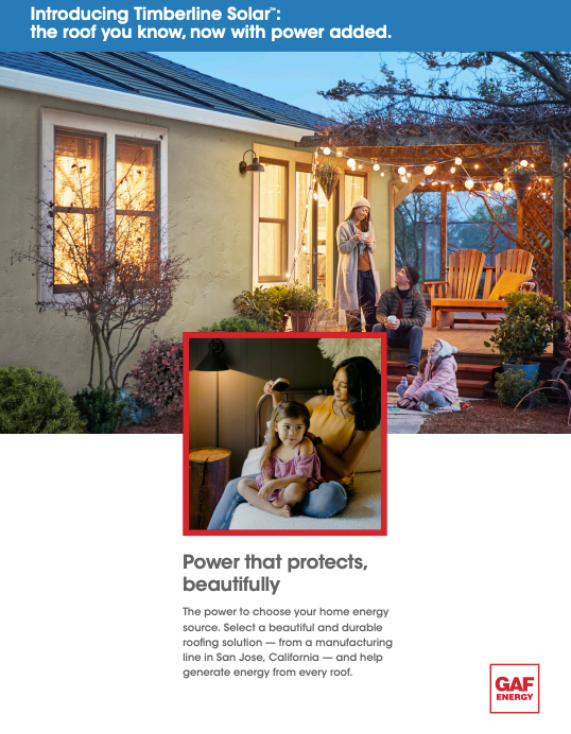
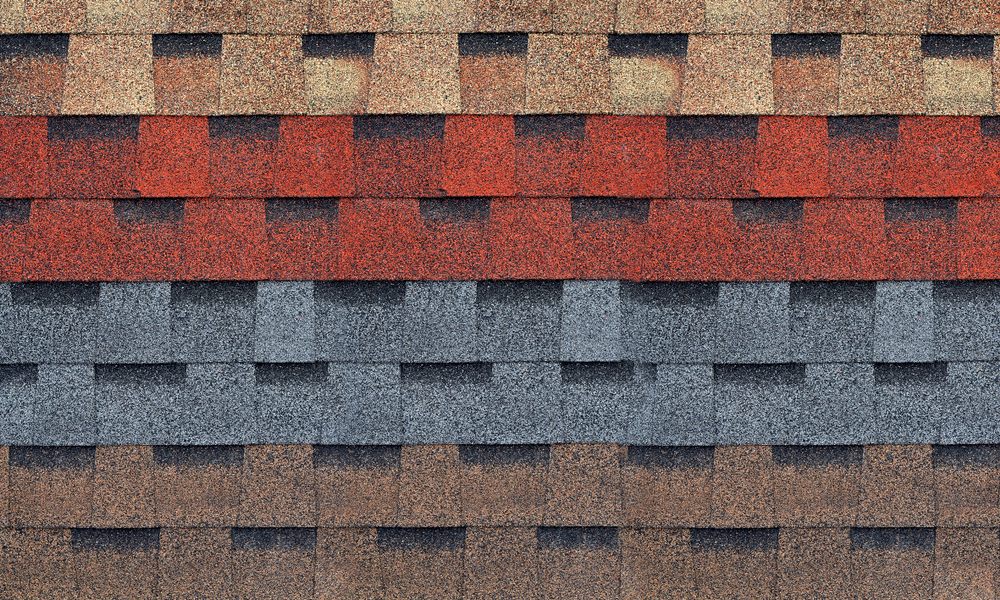
Has the bulk of traditional solar panels kept you from making a decision? Now, you do not have to worry. Timberline Solar shingles are designed to mimic the appearance of regular asphalt shingles. The solar panel technology has been integrated into the roofing materials, creating a beautiful, low-profile shingle that blends into the rest of the roof. You do not have to worry about the curbside appeal of your home being impacted with Timberline Solar shingles.
One of the biggest reasons homeowners opt to have solar panels installed on their roof or property is the potential for energy savings and also the return of investment (ROI). Timberline Solar shingles are no different. Once installed, your new solar shingles can help reduce your energy bills by generating renewable energy directly from the sun. Depending on the size of the system you have installed and the amount of energy used within your household, it is possible that your solar shingles could offset some or all of your electricity costs.
Like all of GAF’s shingles, their Timberline Solar™ line is designed to be durable and long-lasting. Similar to traditional solar panels, these nailable solar shingles have a projected lifespan of 25 years or longer. They are engineered to be resistant to weather events such as hail, wind, and rain. The panels are also backed by a comprehensive warranty, providing homeowners with added peace of mind. Additionally, you do not have to worry about much of a decrease in energy production. According to the Timberline Solar™ warranty, these shingles will lose about 2% of energy production in the first year then 0.55% per year afterwards. After 25 years, your Solar shingles will still be 84.8% efficient.
Installing GAF Solar shingles is a breeze compared to other forms of renewable energy. The interconnection system developed by GAF also minimizes the risk of damage to the roofing materials during installation, so you have less to worry about.
Generating renewable energy with GAF Solar shingles can help reduce the carbon footprint of a home, as well as contribute to the global effort to combat climate change.
If you plan on selling your home in the future, then installing solar shingles is a wise investment. Research shows that having traditional solar panels installed on a home can increase its value by 4.1%. Being that Timberline Solar shingles are aesthetically pleasing, they may have a greater impact on your property value.
This warranty is considered a base coverage, which includes total roofing system coverage at 100 percent with an allowance of 10 years for materials that are determined defective. The labor cost for installation is included as well for a 10 year period. Items that are considered accessories and qualify as GAF products will also be part of the 10 year period. Shingles that qualify as GAF products are also covered for wind damage up to 130 miles per hour.
Timberline Solar shingles blend in with traditional asphalt shingles, creating a more uniform and attractive roof compared to traditional solar panels that can look bulky and out of place. Although solar panels are becoming a more welcome sight on homes, they still continue to clash with the overall appearance.
According to GAF, Timberline Solar shingles can produce up to 147 watts of power per shingle, which translates to approximately 2.2 kilowatts of power per 100 square feet of roofing area. Assuming a roof with 1,000 square feet of Timberline Solar shingles and good sun exposure, the system could generate around 22 kilowatt-hours of electricity per day. In general, traditional solar panels have higher efficiency and power output compared to GAF Timberline Solar shingles. A typical solar panel can produce between 250 and 400 watts of power, depending on the size and efficiency of the panel. Assuming an average panel efficiency of around 18%, a 250-watt solar panel can produce around 4.5 kilowatt-hours of electricity per day, while a 400-watt solar panel can produce around 7.2 kilowatt-hours of electricity per day. For a roof with 1,000 square feet of solar panels and good sun exposure, a 5-kilowatt solar panel system could produce around 20 to 32 kilowatt-hours of electricity per day. Now, that being said, Timberline Solar shingles produce more than enough energy for your residential needs despite being a smaller system overall.
As mentioned earlier, GAF Solar shingles are durable, as they come with a Class A fire rating and a wind warranty of up to 130 mph. Regular solar panels are far more prone to damage during extreme weather events, including high winds. Since Timberline Solar shingles are built into the roof, they can handle inclement weather with ease. Solar panels also require maintenance, including routine checks on the wires and components.
With GAF Solar shingles, you only have to keep the surface clean and free of debris. There are no moving parts to worry about.
Timberline Solar shingles can be more expensive than traditional solar panels, but they offer the added benefit of replacing the roof at the same time. This can save money on installation costs, and the long-term energy savings can offset the higher upfront cost. There is also the potential for tax credits with either option.
Furthermore, depending on where you live, both solar options may generate more energy than you use, which could make you eligible for a credit. Be sure to check with your local energy supplier to learn more about local net metering rules and credits.
For a roof with 1,000 square feet of solar panels and good sun exposure, a 5-kilowatt solar panel system could produce around 20 to 32 kilowatt-hours of electricity per day. Now, that being said, Timberline Solar shingles produce more than enough energy for your residential needs despite being a smaller system overall.
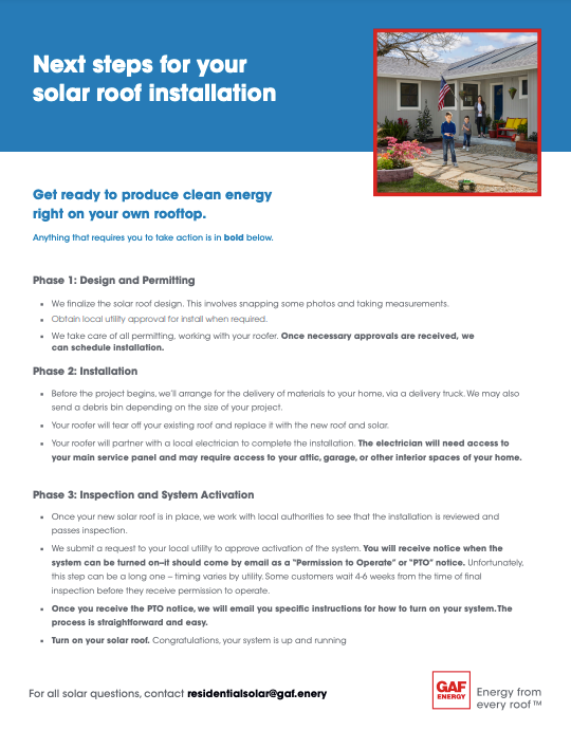
Timberline Solar shingles can be installed by roofing professionals, which can simplify the installation process and reduce the need for additional mounting hardware. Traditional solar panels require more specialized installation and mounting hardware.
For example, while Timberline Solar™ shingles can be installed within a day, purchasing solar panels requires a site evaluation, custom solar panel design to meet your needs, permits, installation (requiring additional mounting hardware), inspection, connection to the grid, and routine maintenance.
The cost of GAF solar shingles can vary depending on several factors, including the size and complexity of the roof, the amount of solar shingles needed to achieve the desired power output, the location of the home, and the cost of installation. GAF Timberline Solar shingles are sold in bundles of 14 shingles, and each shingle produces up to 147 watts of power. According to GAF, the price of Timberline Solar shingles is comparable to that of a high-end asphalt shingle roofing system. Let’s take a look at some of the factors, so you can decide if Timberline Solar™ shingles are right for your roof:
Roof Complexity
A complex roof may have multiple levels, dormers, valleys, and other features that can make the installation more challenging and time-consuming.
When installing solar shingles, the solar roofing company doing the job must ensure that each shingle is properly aligned and connected to the electrical system. This can be more difficult on a complex roof where there are more edges and angles to work with. The installer may also need to use additional materials, such as flashing or mounting brackets, to secure the solar shingles to the roof. Another consideration is the orientation and pitch of the roof. Roofs that face south and have a slope between 20 and 30 degrees are ideal for solar panel installation, as they receive the most sunlight throughout the day. If the roof has a different orientation or pitch, the solar roofing company may need to use additional mounting brackets or adjust the angle of the solar shingles to optimize energy production.
Electrical Usage
Every household has different energy needs. By calculating the monthly or annual kilowatt-hours (kWh) that your home utilizes, you can come up with an estimate of how much your solar shingles will cost. Generally, most households range around 29 kWh per day, or 886 kWh per year. It’s important to get a quote from a reputable solar installer to determine the exact cost and any potential incentives or financing options that may be available. The team at RGB Construction can discuss your options and help make your brand new solar roof more affordable.
GAF Energy wants you to have peace of mind when purchasing this innovative product, which is why they are guaranteeing high levels of energy production for 25 years. The manufacturer also guarantees zero leaks and no defects for 25 years, as well as a 15 year warranty against 130 mph winds.
If you wish, you could purchase an enhanced warranty. The Solar Plus warranty addendum tacks on a one year electrical workmanship guarantee, as well as 10 years of coverage when using third party electronics. If you select the Solar Max addendum, you receive 10 years for the electrical workmanship guarantee and 25 years of third party electronic coverage.
Furthermore, Solar Max adds a 25-year solar generation guarantee, meaning that your solar shingles will either meet or exceed a specific number of kilowatt hours during a 25 year span. Should that benchmark be missed, GAF Energy will correct the system to ensure you are satisfied.
If you’re exploring solar for your home, don’t make a decision without this guide. Our free PDF, “The Homeowner’s Guide to GAF Timberline Solar™”, breaks down everything your installer won’t tell you — from hidden installation pitfalls to exact savings estimates in South Jersey. You’ll learn:
Your journey towards a more sustainable and energy-efficient home starts here. Submit your details, and a member of our RGB Solar Division will be in touch with you shortly!